Posted on Leave a comment

Not All Float Spas Are the Same: Discover the Sanctuary Float Spa Difference

Twin Cities’ Premier Float Experience at Sanctuary Float Spa

Sanctuary Float Spa is the Twin Cities’ largest float spa offering a premier experience. Discover what sets us apart, including our spacious, custom float suites, clinical-grade cleanliness, and unparalleled comfort.

If stress has been living in your shoulders, your jaw, your back—or just your brain—there’s a reason float therapy keeps showing up on “best self-care” lists. Floating is known for helping people unwind, reset their nervous systems, and give overworked bodies a break from gravity.

But here’s something many people don’t realize until they try it: not all float spas are the same.

The quality of your float experience depends heavily on the space, the cleanliness, and how the entire visit is designed. At Sanctuary Float Spa, we built our spa specifically for people who want the benefits of float therapy without the common drawbacks that make some first-timers hesitant.

From the moment you walk in, our focus is on two things that matter right away:

  • Comfort: no cramped, claustrophobic “tank” vibes
  • Cleanliness: the kind that lets you fully relax instead of wondering what you’re floating in

Here’s what makes Sanctuary Float Spa different and why first-time floaters and long-time regulars keep coming back.

What sets Sanctuary Float Spa apart from other float spas

If you’ve hesitated to try floating because you picture a tight, enclosed pod, you’re not alone. That image alone has stopped many people from ever experiencing how powerful float therapy can be.

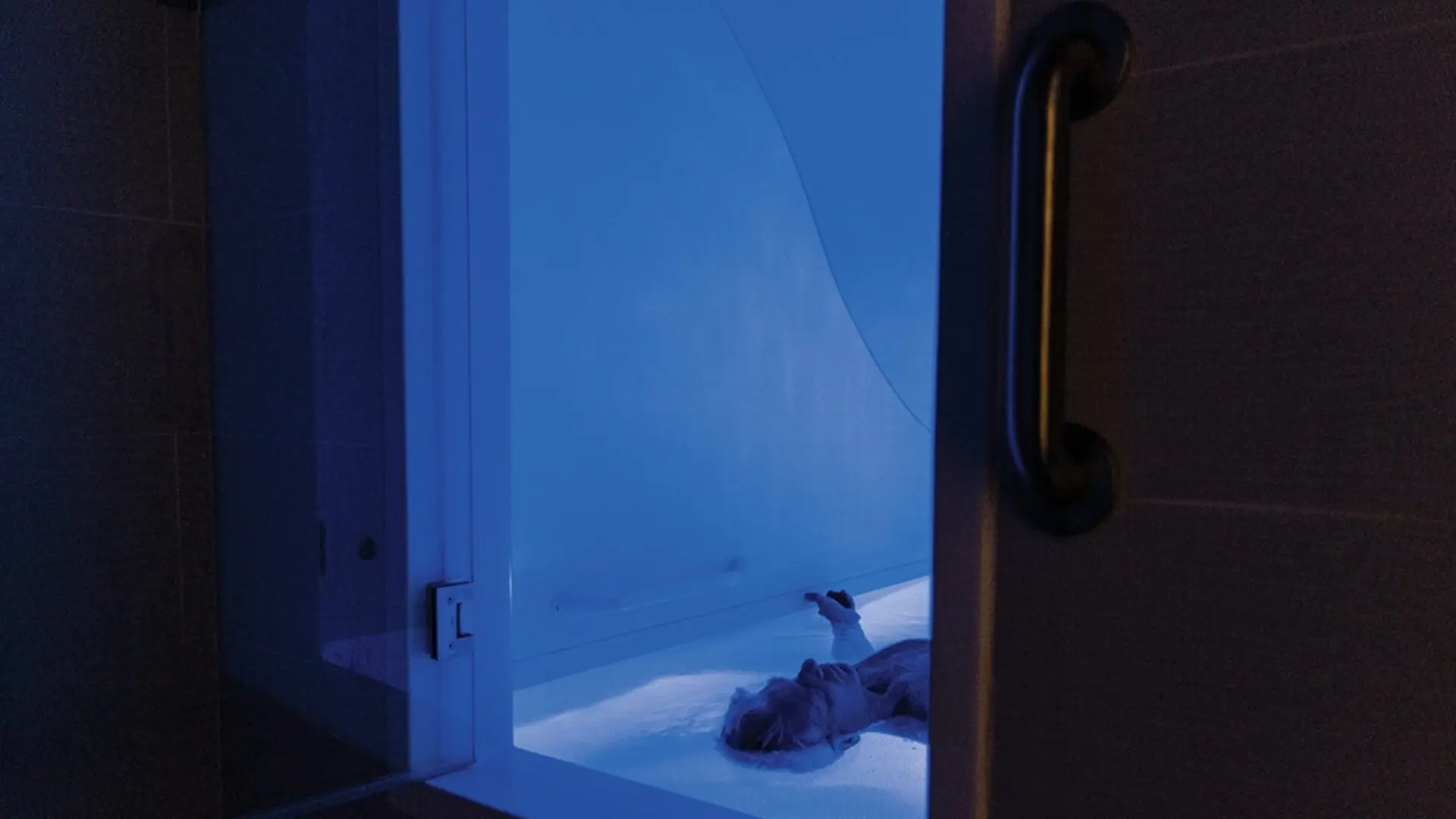
At Sanctuary Float Spa, our float suites are intentionally large, open, and spacious. They’re designed to feel calm and expansive—more like a private retreat than a sci-fi capsule. You can stretch out, move freely, and settle in without feeling boxed in or closed off.

  • Spacious float suites: Our custom designed float suites are equipped with glass doors (so you’re never sealed off) and 9-feet long, 7-feet high, and 6-feet wide. Yes! You can stand up in them!
  • You control your experience: Each of our private float suites have lighting and audio controls inside of the float suite, giving you full control over what color of light you want (we have over 8 options!), if you want to float in complete darkness, and if you want to listen to our custom soundtrack of binaural beats and Solfeggio frequencies to promote brainwave relaxation.

True relaxation requires trust. That’s why sanitation at Sanctuary Float Spa isn’t an afterthought—it’s a core part of the experience.

Every float suite is fully reset between guests, and the water is continuously protected through advanced sanitation systems designed specifically for float environments. Our goal is simple: you should never have to think about cleanliness while you’re floating.

Our standards include:

  • Thorough suite cleaning between every session: Every guest enters a freshly prepared room. Surfaces are cleaned, contact points are sanitized, and the entire suite is restored to Sanctuary Float Spa standards before the next appointment.
  • High-powered filtration between sessions: The float water is filtered multiple times between floats to maintain clarity and hygiene.
  • Non-toxic sanitation methods: Our custom designed float suites use a multi-step automated system of UV radiation, ozone and hydrogen peroxide to support clinical-grade cleanliness without harsh chemical smells or irritation.
  • Required pre-float shower: We require all clients to shower before entering the float suite. Each room has a private shower, with shampoo and body wash provided.

Why people float at Sanctuary Float Spa

People come in for many different reasons, such as stress, muscle recovery, chronic pain, sleep, or mental clarity, but the experience often delivers similar results.

  • Stress relief that hits fast: Floating removes the constant input your brain processes all day: light, sound, gravity, notifications, tension. Many guests describe a deep “exhale” they haven’t felt in a long time.
  • Muscle recovery and tension release: The buoyancy supports your body completely, allowing muscles to soften and decompress—especially in overworked areas like the back, hips, shoulders, and neck.
  • Mental reset and clarity: Some people meditate. Some zone out. Some have creative breakthroughs. The common theme is real quiet—the kind that’s hard to find anywhere else.
  • Deep rest: It’s common to drift into a sleep-like state or experience profound rest without fully losing consciousness, as if your body is finally catching up.

When you arrive, we’ll guide you through everything, but here’s the simple version:

  • Check in and settle into your private suite
  • Shower before entering the float room
  • Float for 60–90 minutes
  • Shower afterward and leave feeling lighter, calmer, and reset
  • Avoid shaving right before your float (salt + fresh shave can sting)
  • Eat a light meal 1–2 hours beforehand
  • Arrive a few minutes early so you’re not rushing

We provide everything you need—towels, shower essentials, and a calm, supportive environment from start to finish.

Discover the Twin Cities’ Premier Float Experience at Sanctuary Float Spa

If you’re looking for more than just a float—if you want a premier, thoughtfully designed experience—Sanctuary Float Spa is for you. As the largest float spa in the Twin Cities, Sanctuary Float Spa is ideal for people who value space, cleanliness, and a calm environment that allows true relaxation. Whether you’re managing stress, recovering from physical tension, seeking deeper sleep, or simply craving uninterrupted quiet, our spacious private suites and elevated standards set the tone for a float you can fully settle into.

Ready to experience the difference for yourself? Book your float session at Sanctuary Float Spa and discover how deeply restorative floating can feel in a spacious, serene environment.

If it’s your first time floating, enjoy 35% off your first session with code #NEWMEMBER—our way of welcoming you into a calmer, lighter state of being.

Posted on Leave a comment

Float Therapy During Pregnancy: Gentle, Weightless Relief for Expecting Mothers

Float Therapy During Pregnancy

Learn how float therapy can gently support comfort, relaxation, and well-being during pregnancy—explore the benefits, safety, and science behind floating in this educational blog for expecting mothers.

Pregnancy brings profound physical and emotional changes. As the body adapts to support a growing baby, many women experience back, hip, and neck pain, muscle soreness, joint strain, swelling in the legs and feet, disrupted sleep, and heightened stress or sensory overload. Since many common pain-relief options are limited during pregnancy, gentle, non-invasive approaches become especially valuable.

One increasingly popular option is float therapy, which offers deep relaxation and physical relief without medication or impact—making it an appealing wellness practice for many expecting mothers.

What is float therapy?

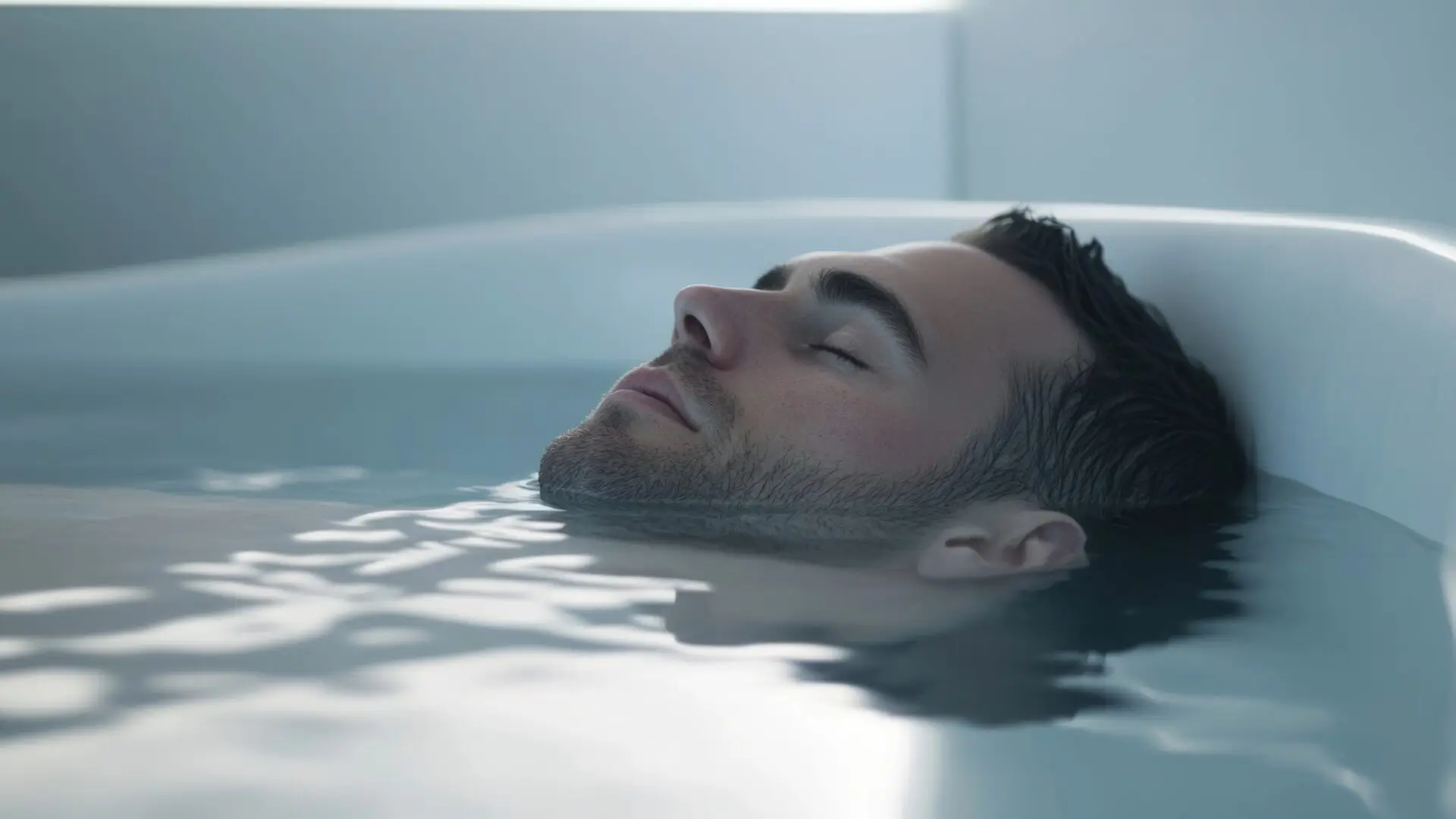
Float therapy—also known as flotation-REST (Restricted Environmental Stimulation Therapy)—involves floating effortlessly in warm water saturated with over 1,000 lbs of pharmaceutical-grade Epsom salt (magnesium sulfate). The high salt concentration allows the body to become fully buoyant, creating a sensation of near weightlessness while minimizing pressure on muscles, joints, and connective tissue.

The water is heated to skin temperature, and the quiet, low-light environment reduces sensory input, allowing the nervous system to shift into a deeply relaxed state.

Is floating safe during pregnancy?

When done at a reputable float spa and with standard precautions, float therapy is considered safe for most uncomplicated pregnancies. Unlike hot tubs or saunas, float tanks are carefully temperature-controlled to remain at or just below skin temperature, avoiding overheating. There is no electrical stimulation, physical manipulation, or medication involved.

At Sanctuary Float Spa, we have many expecting women use our float spa throughout all three trimesters. However, we encourage pregnant clients to consult their healthcare provider—especially if they have high-risk conditions such as preeclampsia, gestational diabetes requiring close monitoring, or other medical complications.

How float therapy can support pregnancy wellness

Research on float therapy consistently shows reductions in muscle tension and perceived pain, largely due to deep relaxation and reduced mechanical stress on the body. During pregnancy, as posture shifts and ligaments loosen, muscle fatigue is common—particularly in the lower back, hips, shoulders, and calves. Floating allows muscles to fully release without effort, which may temporarily ease soreness and stiffness.

One of the most immediate benefits pregnant women report is the relief of gravitational pressure. Buoyancy reduces compression on the spine and joints, which can help alleviate common pregnancy complaints such as lumbar pain, pelvic discomfort, and neck strain.

Studies on flotation therapy demonstrate that removing weight-bearing stress can significantly improve comfort in individuals with musculoskeletal pain—an effect that is especially meaningful as body weight and center of gravity change during pregnancy.

In a CADTH Health Technology Review published in 2022, researchers examined the existing scientific evidence on floatation therapy for physical conditions, including chronic pain and musculoskeletal issues. Floatation therapy is described as having potential benefits through deep relaxation and reduced mechanical stress on muscles and joints due to buoyancy.

Swelling in the feet, ankles, and legs is a common feature of pregnancy due to fluid retention and changes in circulation. While float therapy is not a medical treatment for edema, the horizontal, pressure-free position combined with relaxation may support circulation and temporarily reduce discomfort associated with lower-extremity inflammation.

Magnesium sulfate (Epsom salt) has also been studied for its role in muscle relaxation and neuromuscular calm, which may further contribute to feelings of physical ease, reduce stiffness and aches.

Beyond physical relief, float therapy offers a uniquely calming sensory experience. The warm water, gentle stillness, and reduced stimulation often evoke a womb-like environment—one that many pregnant women describe as deeply comforting.

Research on flotation-REST shows significant reductions in stress, anxiety, and sympathetic nervous system activation. Lower maternal stress is associated with improved emotional well-being during pregnancy, benefiting both mother and baby. Many women also report feeling more connected to their breath, body, and baby during a float session.

“I tried float therapy for the first time at Sanctuary Float Spa during my second trimester. It was the first time I found complete relief in my low back and hips. I could also tell my baby loved it; he was so active.” – Taylor Hoskins, Verified Sanctuary Float Spa Client

Experience weightless relief during pregnancy at Sanctuary Float Spa

Pregnancy places unique demands on the body, and float therapy offers a rare opportunity to rest without pressure, strain, or stimulation. By easing tired muscles, reducing stress on the back, hips, and neck, supporting circulation, and promoting deep relaxation, floating can be a soothing form of self-care during this transformative time.

At Sanctuary Float Spa, your safety and comfort come first. As a trusted and highly regarded float spa in the Twin Cities, Sanctuary maintains rigorous cleanliness standards, private float suites, pharmaceutical-grade Epsom salt, and carefully controlled water temperatures appropriate for pregnancy.

If you’re looking for a gentle and natural way to support your body during pregnancy, we invite you to experience the restorative calm of float therapy at Sanctuary Float Spa.

Posted on Leave a comment

Float Therapy for Chronic Pain & Inflammation: Research from Clinical Studies

Float therapy for chronic pain

If your chronic pain is linked to muscle tension, stress load, poor sleep, or nervous-system overactivation, explore clinical research on how float therapy can naturally provide relief.

Chronic pain isn’t rare—it’s one of the most widespread health issues affecting adults. In the U.S., the CDC estimates 24.3% of adults report living with chronic pain and 8.5% report high-impact chronic pain (pain that frequently limits life or work activities).

That means tens of millions of people are regularly navigating symptoms like muscle soreness, neck and back pain, arthritis-related discomfort, fibromyalgia flares, and inflammation-linked pain patterns, often while trying to sleep, work, exercise, and maintain a normal routine.

With so many adults living in persistent discomfort, it’s understandable that people are looking beyond medication alone for relief. One gentle, non-invasive option that has grown in popularity is float therapy, sometimes referred to as flotation-REST (Restricted Environmental Stimulation Therapy).

Here, we provide information on how float therapy can naturally help reduce chronic pain and present research from peer-reviewed studies on pain-reducing benefits.

What is float therapy (flotation-REST)?

Float therapy involves floating effortlessly in a quiet, dim or dark enclosed space—typically a shallow pool or room filled with warm water saturated with over 1,000 lbs of magnesium sulfate (Epsom salt) to increase buoyancy. The water is warmed to your body’s skin temperature to reduce sensory input even further.

The core idea is simple: less pressure, anti-inflammatory detoxification, and a downshift of the nervous system to help your experience reductions in pain intensity, muscle tension, inflammation and stress.  

Float therapy isn’t a cure for chronic pain conditions, and it won’t replace medical care. But it does support symptom management through multiple pathways:

  • Reduced mechanical load on joints and tissues: The zero-gravity environment of float therapy creates weightlessness, which removes pressure points along your spine and joints, which is especially helpful for achy backs, sore necks, and arthritis flare days.
  • Reduced inflammation through magnesium absorption: Each float room is saturated with over 1,000 lbs of Epsom salt (magnesium sulfate). That’s about 1,000x more Epsom salt than a standard at-home Epsom salt bath. This super-saturated environment dissolves the magnesium and sulfate ions in warm water which is then absorbed through the skin. Magnesium is crucial for hundreds of bodily functions, and low levels are linked to inflammation. Boosting it can help calm inflammatory responses, decrease swelling and stiffness, and benefit conditions like gout, arthritis, and general muscle aches from overuse or injury.
  • Muscle relaxation and reduced guarding: When the nervous system shifts into a calmer state, many people experience less protective muscle tension. Chronic pain and chronic stress often amplify each other. Lower stress can sometimes reduce pain sensitivity and improve coping.

People most often explore floating as a supportive option for:

  • Muscle soreness and myofascial pain (tight neck/upper back, stress-related muscle tension)
  • Neck and back pain (especially when muscle spasm/tension is part of the picture)
  • Arthritis pain (osteoarthritis and other joint pain patterns)
  • Fibromyalgia (widespread pain + fatigue + sleep issues)
  • Inflammation-linked discomfort (where stress, poor sleep, and pain sensitization play a role)

Peer-reviewed studies on using float therapy for chronic pain

A peer-reviewed study published by Kjellgren et al. in Pain Research & Management conducted a clinical trial investigating whether flotation-REST could help people with chronic muscle tension pain in the neck and back.

  • A total of 37 adults with ongoing aching muscle pain were randomly assigned to either a control group or an experimental group that received nine flotation sessions over three weeks in a high-salt flotation tank.
  • Compared with controls, people who floated experienced a significant reduction in their most severe pain intensity, though lower-level pain did not change significantly.
  • The floating group also showed reduced levels of a stress-related biochemical marker (a noradrenaline metabolite), improved optimism, lower anxiety and depression, and easier sleep onset after treatments

A study conducted by Bood et al. examined the effects of float therapy on 88 adults diagnosed with stress-related chronic muscle tension pain in the neck and/or back. Participants received 12 flotation sessions over seven weeks. The study measured changes in pain, stress, anxiety, depression, sleep quality, and pain endurance before and after treatment.

  • After the float therapy treatment, participants experienced reductions in stress, anxiety, depression, and pain, along with improved sleep quality.
  • Both men and women reported similar improvements in pain and related symptoms, though women showed greater decreases in depression scores.
  • The study also found that participants’ ability to endure experimentally induced pain improved after the float treatment, suggesting enhanced pain tolerance.

In 2021 randomized clinical trial published in JAMA Network Open by Loose et al., medical doctors investigated whether a series of five float therapy sessions could alleviate chronic pain in adults diagnosed with a chronic pain disorder involving both psychological and physical factors. Researchers measured pain intensity one week after the last session, and assessed long-term effects at 12 and 24 weeks, along with anxiety, relaxation, pain area, and other secondary outcomes.

  • Short-term symptom improvements: In the short term, both the float therapy and placebo groups experienced increases in relaxation and decreases in anxiety, pain intensity, and the extent of pain across the body, but these effects were temporary.

A clinical pilot study investigated whether a course of floatation spa therapy might affect quality of life and symptoms in people with chronic osteoarthritis of weight-bearing joints. Fourteen adults began the study (with four dropping out), and the remaining participants received six weekly flotation spa sessions designed to provide buoyancy and relaxation. Researchers assessed outcomes using standardized quality-of-life questionnaires after the treatment period.

  • All patients who completed the program showed improvements after the flotation sessions.
  • The improvement was statistically significant on one questionnaire (a personalized measure of symptoms important to the patient), indicating meaningful changes in the symptoms participants cared most about.

Fibromyalgia is often marked by widespread pain, poor sleep, fatigue, and heightened sensitivity—so the deep-rest aspect of floating is a logical target. An independent study conducted by three PhD-level scientists investigated the effects of float therapy on adults with fibromyalgia.

  • Researchers recruited 81 adults diagnosed with fibromyalgia from five different countries and provided each person with three one-hour flotation-REST sessions over about three weeks.
  • Participants completed standardized questionnaires before and after each session to rate symptoms such as pain, muscle tension, stress, anxiety, relaxation, sleep quality, well-being, energy, and ease of movement.
  • After floating, participants reported temporary reductions in pain, muscle tension, stress, anxiety, and sadness, along with increases in relaxation, well-being, energy, ease of movement, and quality of sleep.

Interested in trying float therapy to help reduce chronic pain?

Float therapy has research supporting short-term reductions in pain intensity and stress-related pain, with particularly interesting findings in muscle tension pain and inflammation.

If your chronic pain is linked to muscle tension, stress load, poor sleep, or nervous-system overactivation, float therapy may be a reasonable adjunct to a broader plan that includes medical guidance, movement/rehab, and lifestyle supports.

Ready to give your body a break? Experience deep relaxation and weightless relief at Sanctuary Float Spa, where float therapy can help ease tired and sore muscles, neck and back pain, arthritis discomfort, and fibromyalgia symptoms.

Book your float today and discover how restorative rest can support the way your body feels—naturally.

Posted on Leave a comment

The Science Behind Float Therapy: Evidence-Based Benefits of Flotation-REST for Stress, Sleep and Mental Wellness

Science behind float therapy

If you struggle with chronic stress, racing thoughts at night, difficulty sleeping, anxiety, or low mood, float therapy may offer a natural, restorative way to help reset your nervous system. Learn about the science behind float therapy.

Float therapy, also called flotation therapy or Flotation-REST (Restricted Environmental Stimulation Therapy), involves lying effortlessly in a shallow pool of warm water saturated with over 1,000 lbs of Epsom salt (magnesium sulfate) inside a quiet, dim (often near-dark) float room. The water’s high buoyancy supports your body in a zero-gravity environment that many people describe as “weightless,” while the reduced light, sound, and touch input creates a uniquely low-stimulation environment.

Importantly, float therapy isn’t a brand-new wellness trend. Researchers have studied flotation-REST for decades, exploring how reduced sensory input and deep physical relaxation may affect stress physiology, mood and sleep.

Below, explore peer-reviewed studies investigating the science behind float therapy.

Peer-reviewed studies on the impact of float therapy on stress, depression, anxiety and sleep quality

Today, there is a lot of talk about cortisol and how it affects the body. Cortisol is a hormone produced by the adrenal glands that plays a vital role in the body’s stress response, metabolism, immune function, and blood sugar regulation. Often called the “stress hormone,” cortisol is essential for survival in short bursts, helping the body respond to challenges and threats.

However, chronically elevated cortisol levels, which can occur with ongoing stress, poor sleep, or burnout, can negatively affect the mind and body. Persistently high cortisol has been associated with symptoms such as fatigue, anxiety, difficulty sleeping, weight gain (especially around the abdomen), increased inflammation, brain fog, and weakened immune function—highlighting why stress regulation has become such an important focus in modern wellness discussions.

What clinical research shows

One of the early most prominent studies published in 1989 examined changes in cortisol and blood pressure after repeated flotation-REST sessions. Turner et al. found in a controlled study that repeated float therapy session (8 total) resulted in a significant decrease in plasma cortisol levels and mean arterial pressure. As a result, study participants experienced:

  • Improved nervous system balance: Lower cortisol reflects a shift away from sympathetic (“fight-or-flight”) dominance toward parasympathetic (“rest-and-digest”) activity, resulting in slower resting heart rate, reduced muscle tension and improved heart-rate variability.
  • Reduced inflammation and immune dysregulation: Lower cortisol levels leads to more balanced immune response, reduced low-grade chronic inflammation and improved wound healing and tissue repair.
  • Better glucose regulation and metabolic health: Cortisol raises blood glucose by stimulating gluconeogenesis. Therefore, lower cortisol contributes to improved insulin sensitivity, reduced blood sugar spikes and less central (abdominal) fat accumulation over time.
  • Improved sleep architecture: Higher cortisol levels and blood pressure are strongly linked to sleep-onset insomnia and fragmented sleep. Therefore, modalities that reduce these signatures result in being able to fall asleep faster, fewer nighttime awakenings, and improved slow-wave (deep) sleep.
  • Reduced cardiovascular strain: Lower blood pressure levels decrease workload on the heart and arterial walls and improve tissue oxygenation. This results in improved endothelial (blood vessel lining) function, lower long-term risk of hypertension-related damage, and enhanced oxygen and nutrient deliver to support muscle and organ health.

In many people, anxiety is maintained by persistent threat monitoring, body tension, and sensory hypervigilance. The zero-gravity, low-stimulation environment of float therapy has been clinically shown to interrupt that loop by reducing incoming stimuli and allowing the central nervous system (CNS to slow, settle and experience a deep calm or “serenity.”

What clinical research shows

In a peer-reviewed study published in PLOS ONE in 2018, Feinstein et al. conducted an open-label clinical trial examining whether a single session of float therapy could reduce symptoms of anxiety, stress, and depression by minimizing sensory input to the nervous system.

  • 50 participants with anxiety- and stress-related disorders—most of whom also had unipolar depression—completed self-report measures immediately before and after a one-hour float session.
  • The study found large and immediate reductions in state anxiety (with an exceptionally strong effect size), along with significant decreases in stress, muscle tension, pain, depression, and negative affect.
  • Participants also reported marked improvements in mood, including greater serenity, relaxation, happiness, and overall well-being. These effects were strongest in those with the highest initial anxiety levels, bringing post-float anxiety closer to that seen in non-anxious individuals.

Findings from a recent 2024 study

In 2024, Garland et al. published a randomized peer-reviewed study assessing the safety and feasibility of float therapy as holistic treatment for anxious and depressed individuals.

  • 75 individuals with anxiety and depression were randomized to complete six sessions of float therapy in different formats.
  • Six sessions of float therapy were reported as feasible, well-tolerated, and safe in anxious and depressed individuals.
  • Participants reported positively-valenced experiences. 

Sleep onset problems often track with cognitive and physiological arousal (racing thoughts, tension, elevated alertness). Floating has been shown to lower arousal and improve relaxation conditioning, making it easier to transition into sleep later that night.

What the clinical research shows

A study published in 2022 in Sleep Science by Norell-Clarke et al. investigated the effects from flotation-REST on six adulted diagnosed with clinical insomnia. Participants completed 12 flotation sessions (45 minutes each) over about seven weeks, without other concurrent sleep treatments. Daily sleep diaries tracked key sleep measures: sleep onset latency (time to fall asleep), wake after sleep onset (nighttime awakenings), total sleep time, and sleep efficiency.

  • Not all participants improved, but several did show meaningful changes.
  • Three of the six participants showed improvement in their primary insomnia symptom (either shorter time to fall asleep or reduced waking after sleep onset). Two participants also had better sleep efficiency that persisted at a 2-month follow-up.
  • Insomnia severity decreased for three participants, and depressive symptom severity decreased for five participants.

Try evidence-backed float therapy at Sanctuary Float Spa

Float therapy isn’t just a relaxing experience—it’s backed by decades of scientific evidence suggesting real benefits for stress reduction, improved sleep quality, and mental well-being.

By creating a unique sensory-free environment, float therapy allows the nervous system a rare opportunity to rest, allowing stress pathways to shift toward greater parasympathetic (rest-and-digest) activity, which supports better sleep and improved emotional regulation.

If you struggle with chronic stress, racing thoughts at night, difficulty sleeping, anxiety, or low mood, float therapy may offer a natural, restorative way to help reset your nervous system. Many clients at Sanctuary Float Spa report that their first float session leaves them feeling significantly calmer, more centered, and better equipped to handle everyday stressors—effects that can carry over into improved sleep and mental clarity.

Ready to see how float therapy can support your stress, sleep, and mental health? Book a session at Sanctuary Float Spa and give your body and mind the reset they deserve.

Posted on Leave a comment

Tuning Your Frequency: How Solfeggio Sound and Floating Unlock Deep Healing

Solfeggio Sound and Floating

In a world filled with noise—both external and internal—true stillness is rare. Yet within stillness lies the secret to tuning your vibration, re-centering your energy, and awakening your natural capacity for healing.

One of the most powerful ways to do this combines two ancient-meets-modern tools: Solfeggio frequencies and float therapy. Together, they create a sanctuary for your mind, body, and energy field to harmonize.

What are Solfeggio frequencies?

Solfeggio frequencies are specific tones—rooted in ancient sacred music—that are said to carry mathematical resonance with the fundamental patterns of creation. Each frequency corresponds to a particular energetic state or intention:

  • 396 Hz – Releases fear and guilt
  • 417 Hz – Facilitates change and clears negativity
  • 528 Hz – The “Miracle” frequency; promotes DNA repair and transformation
  • 639 Hz – Enhances connection and relationships
  • 741 Hz – Aids intuition and self-expression
  • 852 Hz – Awakens spiritual awareness and higher consciousness

When we immerse ourselves in these tones, the body’s vibrational field can realign—like tuning a musical instrument that has fallen slightly out of pitch.

How sound shapes your vibration

Everything in the universe vibrates, including you. Emotions, thoughts, and even physical sensations all carry energetic signatures. When stress, trauma, or disconnection build up, our natural frequency can become “noisy.”

Solfeggio tones provide a vibrational roadmap back to coherence. By focusing on these pure frequencies during meditation, your nervous system synchronizes with the rhythm of the sound, leading to calm, focus, and deep emotional release.

This isn’t just spiritual theory—sound frequency therapy has been shown to reduce anxiety, lower heart rate, and promote neuroplasticity. It’s vibrational medicine at its most elegant.

Why a float room is the perfect medium

Now imagine combining those sacred tones with the sensory silence of a float room.

Inside a float tank, external stimuli fade away. The water matches your skin temperature, and your body becomes weightless. With no light, sound, or gravity demanding attention, your brain naturally shifts into deep theta states—the same frequency range as lucid dreams and meditation mastery.

In this environment, Solfeggio frequencies are not just heard—they are felt. The sound travels through the water and your body, resonating directly with your cells. The result is a full-body sound immersion that amplifies the meditative and restorative effects of the float itself.

The healing experience

During a float infused with Solfeggio tones, many people report:

  • A feeling of being “retuned” or realigned
  • Emotional release or clarity around life situations
  • Tingling or energetic sensations throughout the body
  • A sense of unity, peace, and expanded awareness

Whether you’re working through stress, creative blocks, or physical recovery, this combination helps restore balance where words and willpower often cannot.

How to try it

At Sanctuary Float Spa, you can experiment with this practice intentionally:

  1. Choose Your Frequency: Begin with one that resonates with your goal—528 Hz for transformation or 396 Hz to release fear.
  2. Set an Intention: Before your float, silently state what you wish to release or align with.
  3. Float + Listen: Let the tones fill the space as you surrender to stillness.
  4. Integrate: Afterward, take a few minutes to journal or breathe—notice what feels lighter or more open.

Float. Listen. Realign. Heal.

Healing doesn’t always require doing more—it often begins with allowing. By using Solfeggio frequencies within the float experience, you create a sacred pause where body, mind, and energy return to harmony.

When you tune your vibration, you don’t just change how you feel—you change the field around you. And from that field, healing unfolds naturally.

Ready to experience the power of Solfeggio frequencies and float therapy? Enjoy 35% OFF your first float with code #NEWMEMBER. Book your float therapy session here.